

You’ve seen it a hundred times: your cat wakes up, arches their back, stretches those front paws way out, and finishes with a luxurious tail flick. It’s adorable — but it’s also science in motion.
Cats don’t stretch just because it feels good (though it definitely does). Each stretch plays a role in blood flow, brain health, and even emotional communication. In fact, your cat’s stretching habits can tell you a lot about how they’re feeling — physically and emotionally.
By the end of this guide, you’ll know why your cat stretches so often, when it’s a sign of comfort, and when it might mean something more serious.
🐾 TL;DR — Why Your Cat Stretches (and What It Means)
- ✔️ Physical reset: Stretching wakes up muscles, boosts circulation, and restores balance after rest.
- ✔️ Emotional signal: Cats often stretch when they feel relaxed, safe, and content — especially around you.
- ✔️ Instinctive behavior: Stretching mimics hunting prep — it’s a leftover reflex from their wild ancestors.
- ✔️ Health cue: A cat that stretches evenly is usually healthy; stiffness or hesitation can signal pain.
Bottom line: Stretching isn’t just about flexibility — it’s your cat’s way of staying limber, happy, and connected to you.
Stretching triggers endorphins that relax and refresh your cat’s mind.
Helps joints, spine, and muscles stay strong and flexible.
Frequent stretching means your cat feels calm, secure, and comfortable at home.
Why Do Cats Stretch So Much?
Cats stretch a lot — after naps, before play, and sometimes right in the middle of your Zoom call. But behind that adorable stretch is a mix of instinct, physiology, and mood.
When your cat wakes from a nap, their heart rate and blood pressure are lower. Stretching helps kick-start circulation, sending oxygen-rich blood back into sleepy muscles and the brain. It’s basically your cat’s version of morning yoga — a full-body reset that improves coordination and alertness.
Stretching also serves another purpose: it releases built-up tension in muscles and joints after long periods of rest. Cats spend around 12–16 hours a day sleeping, so their bodies are designed to “reboot” frequently through micro-stretches.
And finally, there’s the instinctive layer. In the wild, cats stretch before hunting — loosening their spine and preparing for quick bursts of speed. Even if your house cat’s biggest prey is a feather wand, that ancestral reflex still runs strong.
💡 Fun fact: Cats may also stretch as a social signal — showing you they’re comfortable and relaxed in your presence. A cat that stretches near you is saying, “I trust you.”

The Science Behind the Cat Stretch
When your cat extends those long limbs and arches their back, you’re watching a built-in biological mechanism called pandiculation. It’s the body’s automatic way of resetting after rest — the same thing you do when you yawn and stretch after waking up.
Here’s what’s happening under all that fur:
- Muscle activation: Stretching sends signals from the brain to the muscles, activating motor neurons and improving flexibility.
- Nerve stimulation: It reawakens the nervous system, improving balance, coordination, and reflexes.
- Hormone release: Stretching triggers the release of endorphins — natural feel-good chemicals that help cats stay calm and content.
This mix of physical refresh and mental reward is why stretching is so addictive for cats. It feels good and reinforces a sense of security.
Over time, these frequent mini-stretches help maintain healthy posture, joint fluidity, and spinal flexibility — all crucial for an agile hunter, whether your cat is chasing toy mice or just sunbeams.

When Cat Stretching Signals Happiness (or Comfort)
Most of the time, your cat’s stretches are a good thing — in fact, they’re one of the clearest signs your cat feels safe and happy in your home.
You’ll usually see these relaxed stretches:
- After naps: a full-body arch, tail flick, and content sigh — the feline version of “ahh, that’s better.”
- Before playtime: a long forward stretch with the front legs extended (that classic “cat yoga” pose) to prep muscles for action.
- As a greeting: when your cat stretches and walks toward you after you enter a room, it’s not random. It’s their way of saying, “Hey, I missed you!”
Stretching in your presence shows your cat feels secure enough to let their guard down. It’s one of the quiet ways cats express emotional connection — no meows required.
💡 Pro Tip: Try responding with gentle verbal praise or slow blinking. Cats often associate calm eye contact and soft tones with safety and affection.
When Cat Stretching Could Mean Pain or Illness
While most stretching is healthy and natural, changes in how your cat stretches can sometimes point to discomfort or underlying health issues. Cats are masters at hiding pain, so subtle shifts can be your first clue something’s off.
Watch for these red flags:
- Uneven stretching: your cat favors one side or avoids using a particular limb.
- Reduced frequency: stretching less often or skipping post-nap stretches entirely.
- Stiffness or hesitation: visible effort when standing up or arching.
- Vocalizing or flinching: signs of pain when stretching or being touched.
Common causes include arthritis, muscle strain, joint inflammation, or even injury from jumping. Older cats are especially prone to stiffness or slower movement.
🩺 Vet Tip: If your cat’s stretches look asymmetrical or they seem reluctant to move, it’s best to schedule a vet checkup. A quick exam — sometimes with simple bloodwork or imaging — can rule out pain before it progresses.
Keeping an eye on how your cat moves is one of the easiest ways to catch early signs of trouble.
How to Support Healthy Stretching in Your Cat

Stretching keeps your cat’s body strong and their mind calm — but like humans, cats benefit most when stretching is part of an active, enriching routine.
Here are a few easy ways to encourage healthy movement:
Give Them Vertical Space
Cat trees, window perches, and wall shelves naturally encourage stretching as your cat climbs, lounges, and leaps. The higher the perch, the more full-body motion they’ll use to reach it.
Make Movement Playful
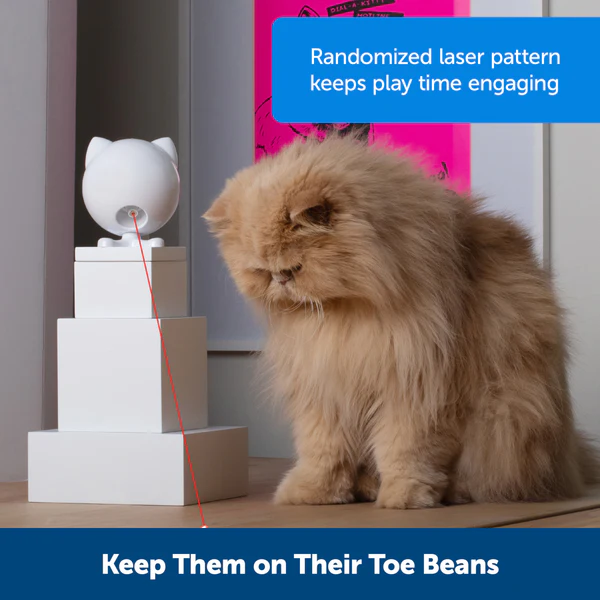
Interactive play is one of the best ways to trigger natural stretching behaviors. Toys that mimic prey — like feathers, moving balls, or lasers — prompt those satisfying full-body lunges and stretches.
The PetSafe Dancing Dot™ Laser Cat Toy is a great example: it automatically projects unpredictable laser patterns for your cat to chase, encouraging gentle stretching and bursts of motion even when you’re not around. You can mount it on a surface or place it on the floor, and it offers both manual and timer modes to keep your cat active throughout the day.
The Dancing Dot taps into your cat’s bug-catching instincts with 2 play modes and a random, moving laser that’ll keep her healthy and active. For quick play sessions, One-Time-Play shuts the laser off after 15 minutes. Play-All-Day is perfect for when you’re in a set-it-and-forget-it mood, keeping your cat occupied for hours (with plenty of rest).
Keep Things Cozy
Cats stretch more often when they’re warm and comfortable. Place soft bedding near sunny windows or heating vents to encourage relaxed post-nap stretches.
Regular movement keeps joints lubricated and muscles toned — especially important for indoor or senior cats who spend long hours lounging.
The Tech Angle: Smart Ways to Track Mobility
If you’ve ever wondered how active your cat really is, you’re not alone. While stretching and playtime look great on the surface, consistent movement throughout the day is a key part of long-term joint and heart health. That’s where smart pet tech can help.
Modern cat activity trackers use built-in sensors to monitor daily movement, rest, and calorie burn — giving you an inside look at your cat’s overall mobility. This data can reveal early signs of stiffness, reduced activity, or even changes in sleep patterns that hint at pain or stress.
One standout option is the Tractive CAT Mini Tracker, a lightweight device that attaches to your cat’s collar and syncs to an app on your phone. It tracks:
- Daily activity levels and step counts
- Rest vs. playtime balance
- GPS location (for adventurous cats)
- Long-term mobility trends over time

For multi-cat households, pairing a tracker with video-enabled smart toys or home cameras can help you spot changes in motion and interaction between cats.
💡 Pro Tip: Check your cat’s weekly activity summary in the app — if you notice a gradual drop in playtime or movement, it might be time to schedule a vet visit or reintroduce more engaging toys.
The Bottom Line: Stretching Is a Window Into Your Cat’s Well-Being
Every stretch tells a story. When your cat arches, yawns, and reaches their paws toward the sky, they’re not just showing off their flexibility — they’re keeping their body balanced, their joints healthy, and their mind relaxed.
Frequent stretching is one of the simplest ways to tell your cat feels safe and content in your home. And with today’s mix of interactive toys and smart tracking tech, you can encourage movement while keeping an eye on long-term wellness.
So next time your cat does that slow, graceful stretch before curling up again, take a second to appreciate it. It’s their quiet way of saying, “I feel good.”







Leave a Comment