
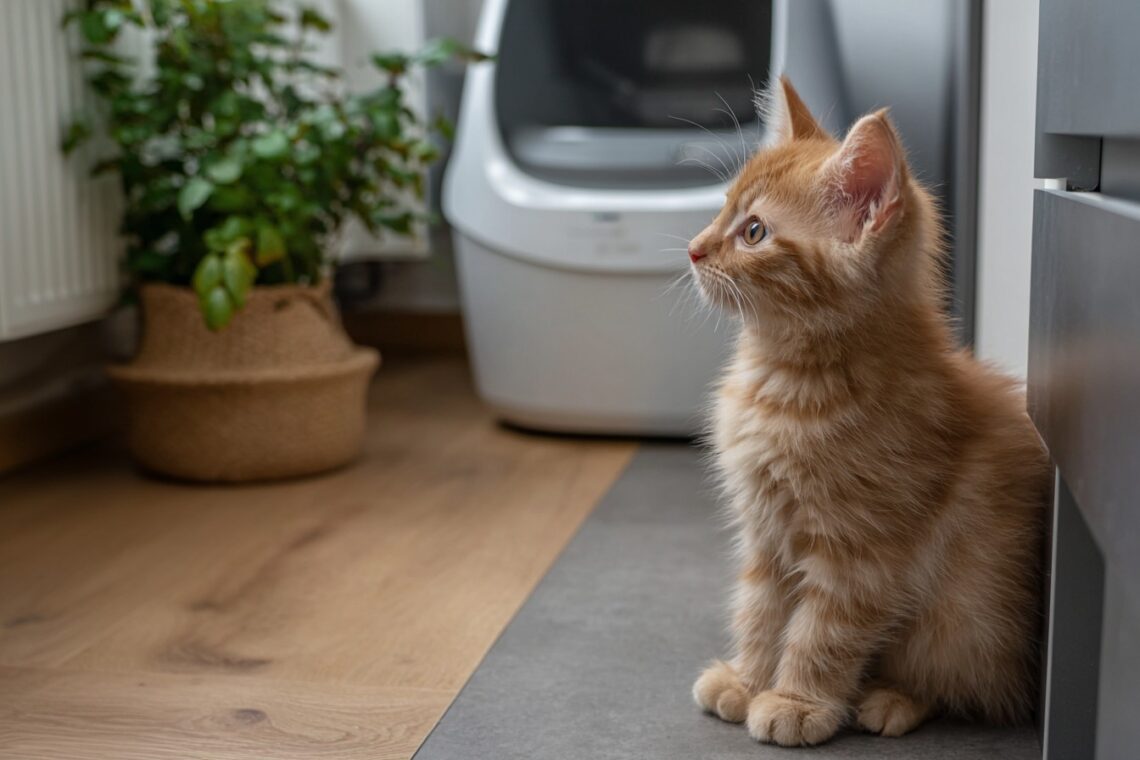
A self cleaning cat litter box sounds like a dream for busy cat parents—no scooping, less odor, and a cleaner home. But if you’ve recently welcomed a kitten, you might wonder: is it actually safe for them?
The short answer: not right away. While self-cleaning boxes like the Litter-Robot 4, Purobot Ultra, and PetSafe ScoopFree SmartSpin are excellent for adult cats, kittens need extra time and care before making the switch.
By the end of this guide, you’ll know when it’s safe to start, what risks to avoid, and which models work best once your kitten is ready.
🐾 TL;DR — Are Self-Cleaning Litter Boxes Safe for Kittens?
- ✔️ Not for tiny kittens: Kittens under 5–6 months (or under 5 lbs) may be too small for sensors and could be at risk of getting caught in moving parts.
- ✔️ Great for adults: Self-cleaning boxes shine once your cat is full-grown and confident with litter habits.
- ✔️ Top picks later: Litter-Robot 4 (best overall), Purobot Ultra (compact option), PetSafe ScoopFree SmartSpin (budget-friendly crystal litter system).
Bottom line: Stick with a traditional litter box while your kitten is young. Transition to a self-cleaning option once they’re big enough to safely trigger the sensors and comfortable with litter training.
Wait until 5–6 months before introducing automation.
Kittens should master a manual litter box first.
The right model makes life easier once they’re grown.
Why Kitten Safety Matters With a Self-Cleaning Litter Box
Kittens are tiny, curious, and not always predictable—which makes safety a top concern when it comes to using a self cleaning cat litter box. While these devices are designed with adult cats in mind, they can pose risks for younger, smaller pets.
Size & Sensor Issues
- Most self-cleaning litter boxes rely on weight or motion sensors to detect when a cat is inside.
- A 2–3 lb kitten may be too light to trigger the sensor reliably, which means the cleaning cycle could activate while they’re still exploring.
Mechanical Movement
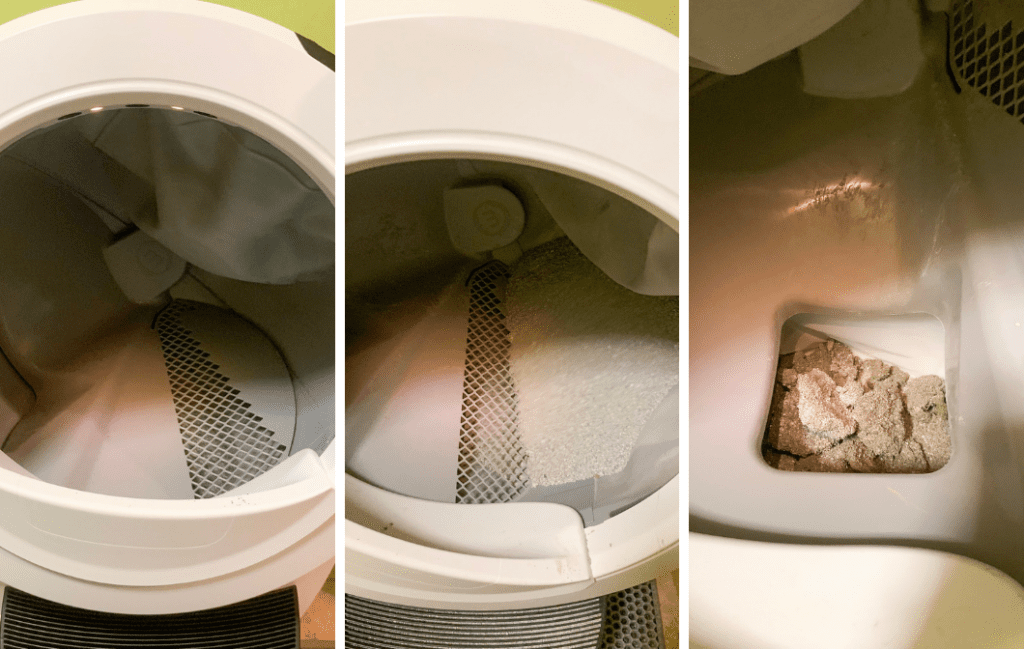
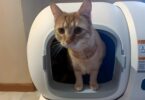
- The rotating drums and raking mechanisms inside these boxes can be intimidating—or worse, dangerous—for kittens.
- Even though most models have safety stops, kittens are more likely to climb in while the machine is running.
Training Confusion
- Kittens are still learning litter box habits.
- Introducing them to a moving, noisy, or unfamiliar device can create anxiety or aversion, making litter training harder instead of easier.
Bottom line: Until your kitten is big enough and consistent with litter training, stick with a traditional box or keep your automatic litter box in manual cleaning mode. Better yet, unplug it entirely and only plug it in for manual cycling.
Once they’re older, a self-cleaning system becomes a safe (and much more convenient) option.
What Age Can Kittens Safely Use a Self-Cleaning Litter Box?
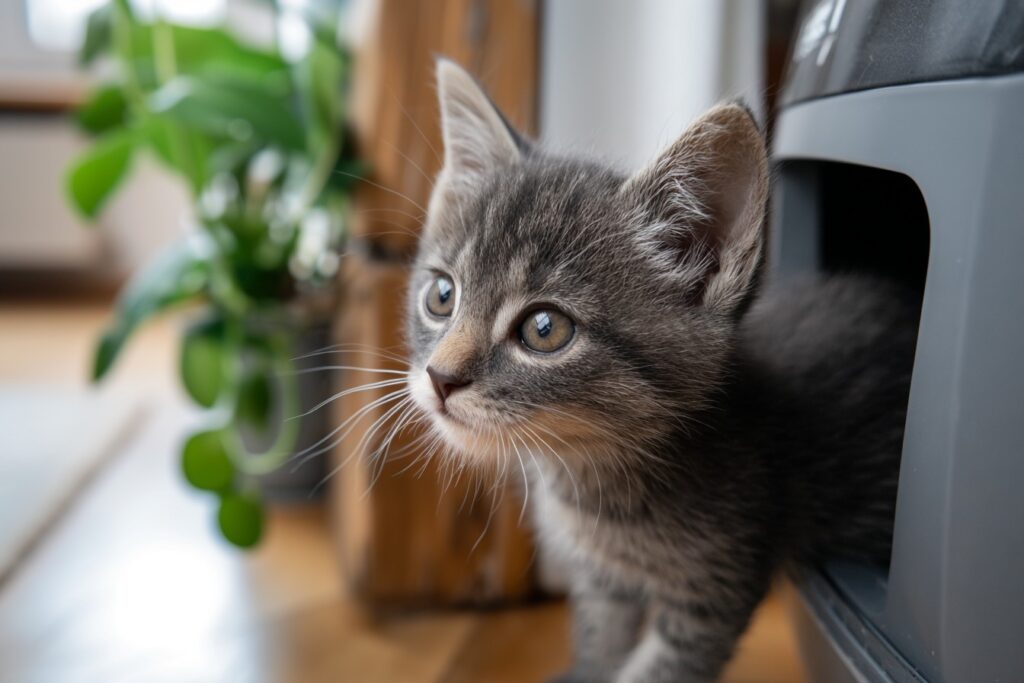
The golden rule? Wait until your kitten is at least 5–6 months old, or around 5 lbs in weight, before introducing a self-cleaning litter box. At this stage, most cats are big enough to reliably trigger sensors and confident enough in their litter habits to handle the upgrade.
Too Young = Too Risky
- Under 5 months: Kittens are often too small for sensors to detect.
- Curious kittens may climb into the box during a cleaning cycle, which can be dangerous despite built-in safety features.
The Sweet Spot: 5–6 Months+
- By this age, most kittens are:
- Consistent with litter training
- Heavy enough to activate weight-based sensors
- Less likely to fear the sounds or movements of the device
Pro Tip: Young kittens are still learning proper litter habits, so a few accidents are normal. The key is cleaning up quickly and completely so they don’t return to the same spot. Here’s a great resource on how to get cat pee smell out without using harsh chemicals that could harm your kitten.
Transitional Tip
Keep a traditional litter box available during the transition. Cats (and especially kittens) thrive on routine, so giving them both options can reduce stress and ensure no accidents happen during the learning curve.
You could even go with something like the Booda Dome if you want to get your kitten used to going into a more enclosed space. It’s not a perfect match for the more open-style drums of automatic litter boxes, but it’s a good compromise.
Petmate's Cleanstep litter box offers a sleek, step design to catch litter from your cat's paws and a hooded top to ensure privacy for private moments. Features an enclosed design to contain litter scatter and large filter to minimize unwanted odors. Available in a variety of pearlescent colors.

Vet-backed advice: If in doubt, ask your veterinarian when your kitten is developmentally ready. Every kitten grows at a different pace, and a cautious approach always wins with safety.
Best Self-Cleaning Litter Boxes (For Adult Cats & Later Use)
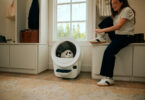
Once your kitten is grown and ready, a self cleaning cat litter box can be life-changing. Less scooping, better odor control, and consistent cleanliness mean a happier cat and a happier you. Here are the top models to consider when the time comes.
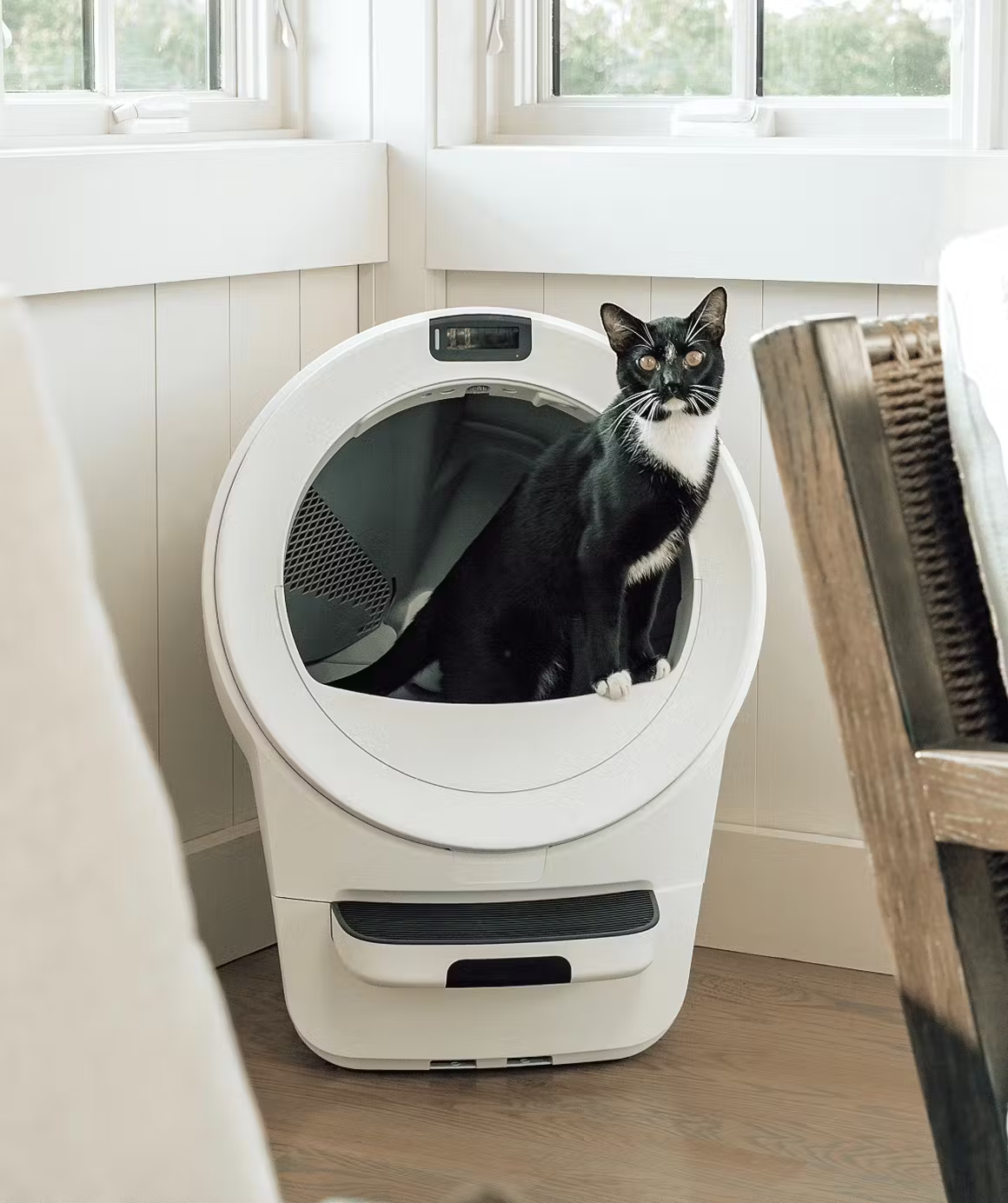
Litter-Robot 5 — Best Overall
- Widely considered the gold standard in self-cleaning litter boxes
- Advanced weight and motion sensors ensure safe, reliable cleaning
- Spacious enough for multiple cats or large breeds
- WiFi-enabled app for tracking usage and waste levels
Why we love it: Smart, reliable, and built with safety in mind—perfect once your kitten is grown.
Meet the next generation of smart litter boxes. The Litter-Robot 5 features a sleek LCD display, redesigned waste drawer for fewer empties, customizable lights, and better odor control than ever. Multi-cat ready and app-connected, it’s the perfect balance of convenience, performance, and modern design for any cat household.
⭐ BEST PRICE ON THE WEB⭐
SAVE UP TO $150!
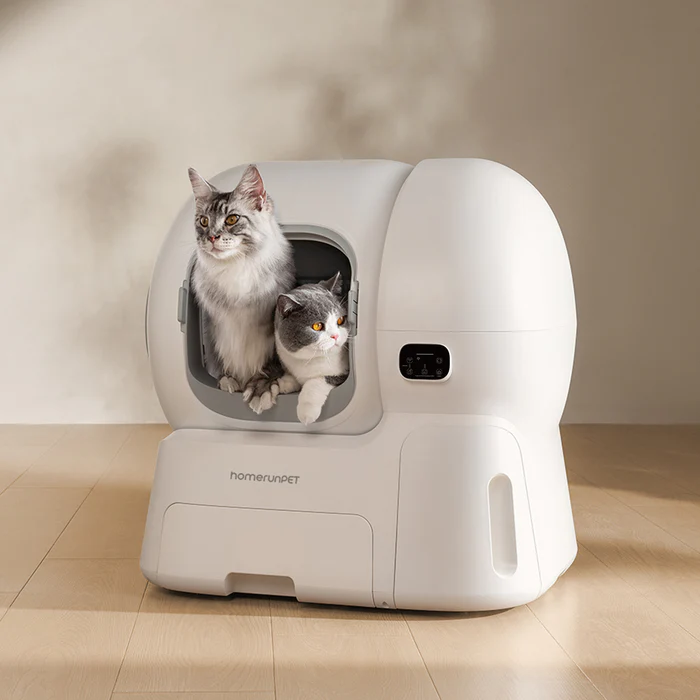
HomerunPET Self-Cleaning Litter Box CS106 — Extra Room for Growing Cats
- A genuinely spacious 106L dome that gives larger kittens (6+ months) room to turn and dig comfortably
- 12L waste drawer means fewer emptying sessions, especially helpful in multi-cat homes
- Advanced safety system with radar and weight sensors that immediately stop cycles if a cat approaches
- Auto-refill litter system helps maintain proper depth without constant monitoring
Best for: Households with bigger kittens or multiple cats that need more space and less daily maintenance.
The HomerunPET CS106 is one of the largest automatic litter boxes I’ve tested, with a roomy 106L dome and oversized 12L waste bin. Designed for big cats and real multi-cat homes, it also features an auto-refill system, ultra-quiet operation, and strong safety sensors. If you want a more hands-off litter setup, this one delivers.
BEST PRICE GUARANTEE
SAVE $60 WITH COUPON CODE PAWZ
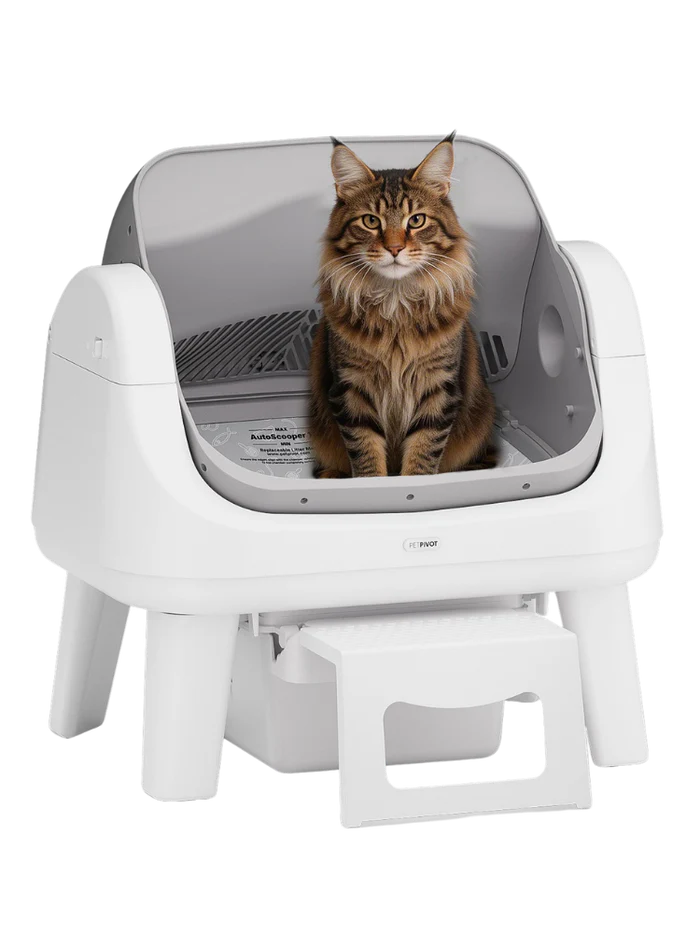
PetPivot AutoScooper 12 Lite — Affordable Open-Top Option
- Spacious open-top design gives older kittens plenty of room without requiring them to enter an enclosed globe
- Quiet operation can be less intimidating for cautious or sensitive kittens
- Multiple safety sensors detect movement and automatically pause the cleaning cycle when needed
- Auto Mode is designed for kittens at least 6 months old and weighing at least 3 pounds
- Affordable $179.99 regular price makes it an easier entry point into automatic litter boxes
Best for: Kittens at least 6 months old and 3 pounds that are ready for automatic operation, especially those that may be hesitant about enclosed designs.
The PetPivot AutoScooper 12 is an affordable open-top automatic litter box that keeps things refreshingly simple. It automatically handles daily scooping, offers Manual Mode for cautious cats, and skips the app and Wi-Fi entirely. It's a great option for cat owners who want the convenience of a self-cleaning litter box without paying extra for health tracking and other smart features.
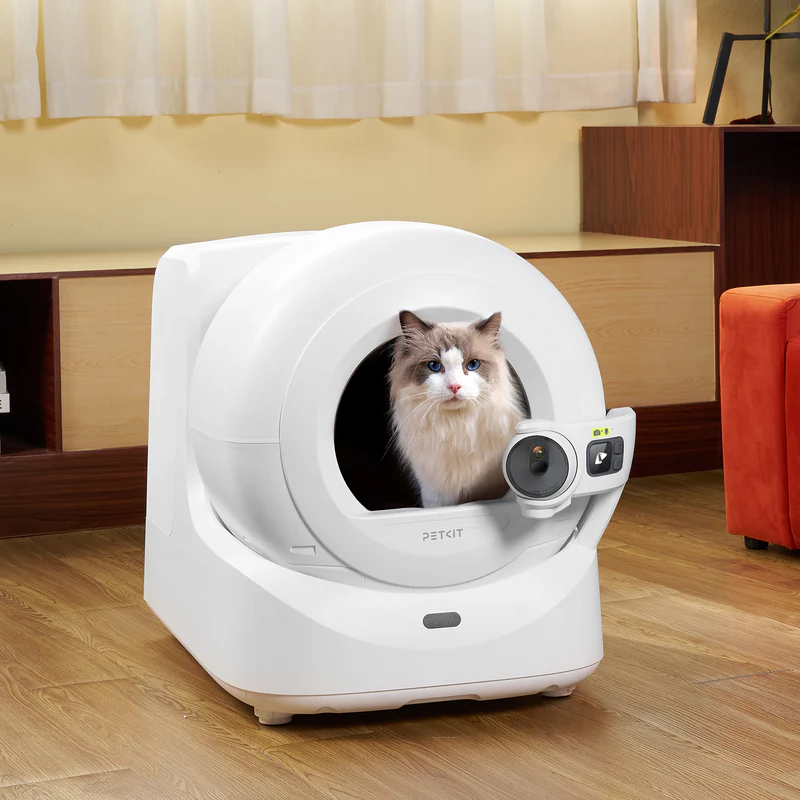
Purobot Ultra Automatic Litter Box — Compact & Smart
- A sleek, modern design that takes up less floor space than the Litter-Robot
- Strong odor control with carbon filters and sealed waste drawer
- Safety sensors prevent cleaning when your cat is inside
- More budget-friendly than premium models
Best for: Cat parents who want automation without the premium price tag.
A premium self-cleaning litter box that combines odor control, app integration, and health tracking. With a spacious design, quiet cleaning cycles, and compatibility with most clumping litters, it’s a sleek, high-tech solution for multi-cat homes.
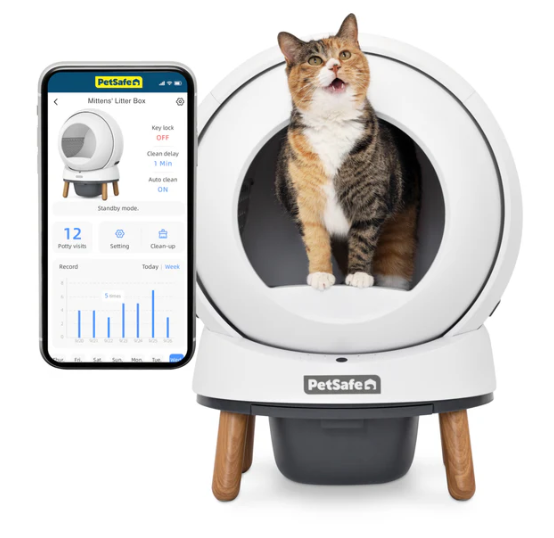
PetSafe ScoopFree SmartSpin — Crystal Litter Convenience
- Uses disposable crystal litter trays that absorb moisture and control odor
- App connectivity alerts you when the tray is full
- Quiet self-cleaning rake system with motion sensors
- Lower upfront cost compared to rotating drum models
Pro Tip: The crystal litter is ultra low-maintenance—but some cats need a transition period to get used to it.
The ScoopFree® SmartSpin™ Self-Cleaning Litter Box sifts and seals waste with 4x better odor control, keeping your home fresher. The PetSafe® SmartSpin™ app tracks your cat's weight and litter box usage, providing valuable health insights. Its sleek, low-profile design ensures a fresh litter bed after each use, making it ideal for busy, multi-cat households.
⭐ GUARANTEED BEST PRICE ⭐
USE COUPON CODE MEOW60 AT CHECKOUT TO GET $60 OFF
⚠ Heads-up: These boxes are excellent for adult cats—but kittens under 5–6 months should stick to a standard litter box until they’re big enough for safe use.
Safety Tips If You Plan to Transition Your Kitten Later
When your kitten finally reaches the right age and weight, making the switch to a self-cleaning litter box should be done with care. Cats love routine, and a sudden change can cause stress—or worse, bathroom accidents outside the box.
1. Wait for the Right Age & Size
- Minimum: 5–6 months old and about 5 lbs.
- Make sure they can reliably trigger the box’s safety sensors.
2. Keep a Traditional Box Nearby
- Place a manual litter box next to the self-cleaning one during the transition.
- This way, if your cat is nervous about the new gadget, they still have a safe fallback.
3. Introduce Slowly
- Leave the self-cleaning box turned off for the first few days so your kitten gets used to the look and smell without moving parts.
- Once they’re comfortable using it, turn on the cleaning cycle while they’re not around.
4. Supervise in the First Week
- Watch how your kitten reacts the first several times.
- Look for signs of stress or hesitation—patience is key.
5. Positive Reinforcement Works Wonders
- Reward your kitten with praise or a small treat after they use the self-cleaning box.
- This helps create a positive association with the new setup.
Pro Tip: Cats are individuals. Some take to automation right away, while others need weeks of reassurance. Go at your kitten’s pace, not just yours.
FAQ: Self-Cleaning Litter Boxes and Kittens
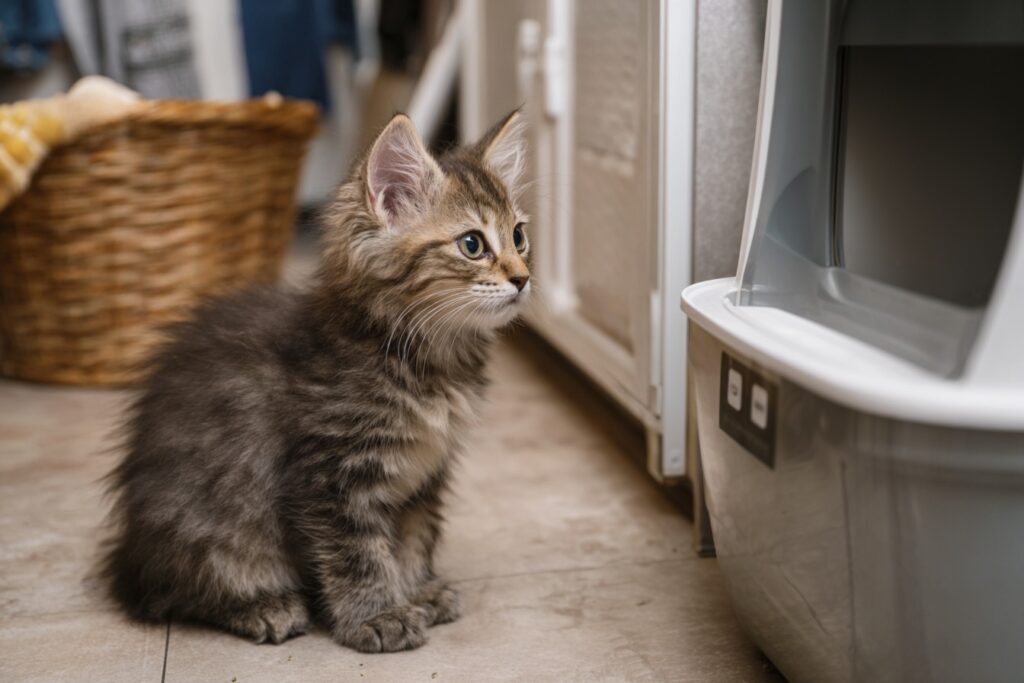
Can kittens get stuck in a self cleaning cat litter box?
It’s unlikely, but small kittens may not trigger sensors correctly, which increases the risk of the cleaning cycle starting while they’re inside. Most modern boxes (like Litter-Robot 4 and Purobot Ultra) have safety stops, but it’s still not recommended for kittens under 5–6 months.
What’s the safest litter box for a kitten right now?
A traditional open litter box with unscented, clumping litter is safest for kittens under 5 months. It’s easy for them to enter and exit, has no moving parts, and helps establish reliable litter habits.
How do I train my kitten to use a self cleaning litter box later?

- Start with a traditional litter box.
- Introduce the self-cleaning box by placing it nearby.
- Leave it turned off until your cat is comfortable.
- Gradually phase out the manual box once your kitten consistently uses the new one.
Are crystal litters safe for kittens?
Crystal litter (like that used in PetSafe ScoopFree) is safe for adult cats, but it can be too harsh on tiny kitten paws. Stick to softer, clumping clay litter while they’re young, then transition later if you’d like.
The Bottom Line: Safety First, Convenience Later
A self cleaning cat litter box can be a game-changer once your kitten is grown—keeping things fresh, reducing odor, and saving you from daily scooping. But for young kittens, safety comes first. Stick with a simple manual box during those early months, then make the switch when your cat is big enough to use the technology safely.
Patience now means a smoother, safer transition later—and a cleaner home for years to come.



Leave a Comment