
I’ll be honest right out of the gate: I went looking for the best litter for a Litter-Robot and came back with a headache. In one thread, an owner asks for help because their Dr. Elsey’s is turning to sludge. The top reply recommends Dr. Elsey’s. Two comments later someone else dropped it for doing exactly that. Two more down: “I just switched to Elsey’s, and it’s been so much better.”
That happens in every litter thread, and one owner finally said why: “Every cat’s urine is different and how their urine reacts to the litter is different, so what works for some doesn’t work for others, no matter what the brand.”
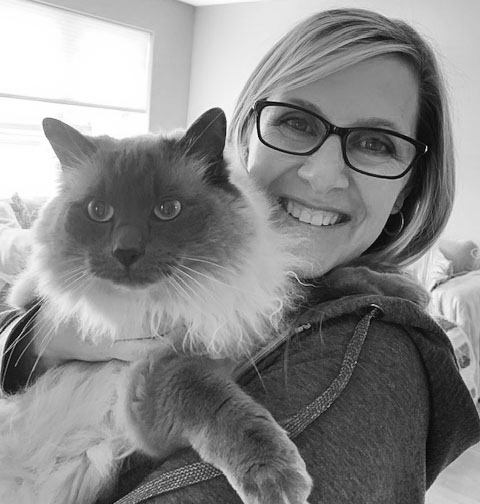
So this isn’t a list with a winner at the top. It’s the explanation of why the lists contradict each other, what actually decides whether a litter works in your house, and how deep to fill the globe (most people get that wrong). Milo, my Balinese, and his Litter-Robot 5 Pro were the test case.
It also comes with something I built because I got tired of guessing: the Litter-Robot Litter Match Finder tool. You tell it which Litter-Robot you have, whether there’s a LitterHopper, what your cat’s situation is, what the room is like and what’s going wrong. It hands back a target fill depth, litter picks for your setup, and, if clumps are sticking, a ranked list of what’s probably causing it. Takes about a minute. You’ll find it a little further down, once I’ve explained why a one-size answer was never going to work.
If you’ve bought three different litters and blamed all three, this is the page that explains what was actually going on. It’s cheaper than a fourth bag.
How I Put This Guide Together
This guide combines Whisker’s official litter and fill-line documentation with roughly 530 owner comments across eleven Litter-Robot community threads, plus my own experience with Milo’s 5 Pro. A surprising amount of the best technical detail came from Whisker’s own team answering strangers on Reddit, and I’ve said so where that’s the source. One owner in particular has tested 37 litters and publishes the results for free, repeatedly, for years. When I quote “the 37-litter tester,” that’s her.
Where owners and Whisker disagree, I tell you both and say which one I’d follow. Where something comes from a single report, I say that too, because the whole point of this article is that one household’s result doesn’t transfer to yours.
Milo’s Litter Robot runs on Arm & Hammer Clump & Seal, which, it turns out puts us in good company. More on that near the end.
Why Every “Best Litter” List Fails You
A Litter-Robot doesn’t just hold litter. It rotates it, sifts it through a screen, weighs it, and on some models, looks at it with optical sensors. That means three things matter that no ordinary litter guide thinks about: how heavy the litter is, how deep it sits, and what colour it is. And then your cat, your climate, and your house pile on top of that.
Owners themselves have narrowed it to six variables, and every one of them has changed someone’s result without the litter changing at all.
- Your cat’s urine. Volume, concentration and chemistry vary cat to cat. A litter that clumps beautifully for a small cat can turn to paste under a big drinker.
- Humidity. Slower evaporation means softer clumps. Owners in Florida and Texas report needing a dehumidifier or DampRid next to the unit before their litter behaved consistently.
- Room temperature. One owner moved their robot to a warm, west-facing sunroom and litter started sticking. Same litter, same machine. Moved it back to the laundry room and the problem vanished.
- Cycle delay. The most-repeated advice in every thread. Owners say it matters “as much as the litter itself.” A clump that hasn’t set breaks apart and smears.
- Fill level. Overfilled by half an inch, the globe throws clean litter into the drawer on every cycle and trips error codes. Then you blame the litter for being wasteful.
- Liner age. The non-stick surface wears out. A three-year-old liner sticking like glue was replaced under warranty and “slides right off like butter.”
One more twist: recommendations have a shelf life. In the past year, owners have reported formula or batch changes in Boxie, Dr. Elsey’s and Whisker’s GreatLitter. One owner with two Litter-Robots watched both fail on the same day with the same bag, which is about as clean a diagnosis as a living room allows. So a static list is wrong twice over: it ignores your house, and it goes stale.
Now the good news. Five brands account for the vast majority of the happy stories, and owners keep landing on the same short list without talking to each other. Almost every complaint has a known fix, and most of the fixes are free. This machine works very well once three things are set right: the litter, the fill level and the cycle delay. Most of the horror stories are one of those three.
Rather than make you hold six variables in your head, I built the tool above. Tell it your model, your cat, your room and what’s going wrong, and it gives you a fill depth, a shortlist of litters and, if you’re dealing with sticking, a ranked list of likely causes. The rest of this article is the reasoning behind its answers.
Litter-Robot Litter Match Finder
The right litter, and the right depth, for your exact Litter-Robot and your exact cat
How Deep? The Fill Line Is a Maximum, Not a Target
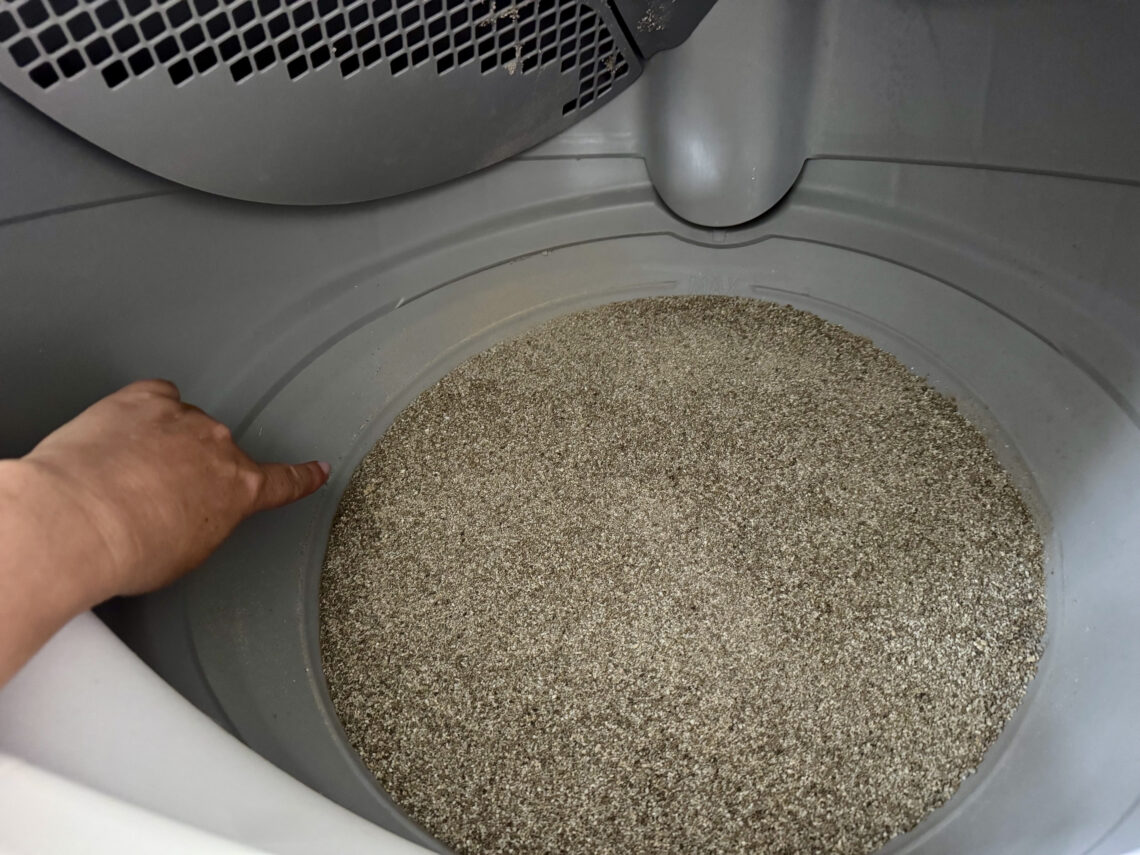
Here's the thing almost nobody gets right on day one. Whisker's support page says to fill "up to the fill line." Whisker's own team, replying to owners who were watching clean litter get dumped into the drawer, says something more specific: keep the litter half an inch to a quarter inch below the line. I cross-checked that against eight of their support pages, and "just below the line" is the consistent practical answer. The line is a ceiling, not a goal.
The mechanism is simple once someone explains it. The globe sifts a fixed volume of litter. Anything above the line has nowhere to go except the waste drawer, so on the very first cycle after an overfill, you're throwing away clean litter. Then the drawer fills faster, you empty it more often, and you conclude the litter is wasteful. It isn't. The fill was.
There's a second wrinkle, and it's the one that finally made Whisker's "standard-weight" advice make sense to me. A heavier clumping litter can trigger a false "drawer full" alert. An owner getting that error every single day called support, and the rep told her the litter itself was heavy enough to read as waste. The drawer sensor is calibrated for a weight range. Heavy clay clumps harder and sticks less, which is why owners love it, but too much of it fools the scale. The answer is heavy clay, filled noticeably below the line.
Forget "a quarter inch." It means nothing while you're pouring from a 40 lb bag. Fill until the litter surface sits about a finger-width below the moulded line inside the globe, then stop. And you never dump the whole globe like a traditional box. Just top it up as it drops.
The Tug of War Inside the Globe
Depth is a compromise between things that want different answers. Once you see the list, the tool's logic makes sense.
| Who is pulling | Wants it | Why |
|---|---|---|
| Clump integrity | Deeper | Shallow litter lets urine reach the liner before it clumps. That is where sticking starts. |
| The sifting mechanism | At or below the line | Overfill dumps clean litter and trips errors. Whisker-confirmed. |
| Heavy clay | Further below | Density can read as waste and trigger a false drawer-full alert. Whisker support, by phone. |
| Senior or low-mobility cats | Shallower | Deep litter costs clearance. A three-legged cat and arthritic seniors end up sitting in their own urine. |
| Big cats | Shallower | Every inch of litter is an inch of headroom gone. Whisker quotes LR5 headroom as "up to 19 inches depending on litter level." |
The hard case is a cat with kidney disease or high urine volume who is also senior or stiff. One condition wants depth, the other wants clearance. Go shallower, compensate with a harder-clumping litter, lengthen the delay and clean more often. And for that particular cat, a large open box beside the robot may be the kinder answer.
One model note that surprised me. The Litter-Robot 4's litter bed runs shallower than the Litter-Robot 3's. Three long-time owners report it independently, including the 37-litter tester, who thinks it affected how her litter handled a high-volume cat. If you upgraded from a 3 and things changed, that's likely why. Compensate with litter choice and cycle timing, not by overfilling.
If this sounds like babysitting, the LitterHopper exists to do it for you. It keeps the level right automatically and draws the most consistent praise of any accessory in the community. "Worth every penny," says the 37-litter tester. One owner also reports a litter-type setting for the hopper in the app that changed how it dispensed. Unconfirmed with Whisker, but worth a look.
Litter Sticking to the Liner? It's Probably Not the Litter
The biggest thread I found on this topic has 194 comments, and the opening post is a cry for help: "I've tried different litters. I've tried different times. I am so tired of cleaning litter out of my cat's fur." I felt that in my bones. Sticking is the number one litter complaint, and the cruel joke is that most of the time, the litter isn't the cause.
Owners have identified eight causes. Two are the litter (a lightweight or plant-based formula, or a bad batch of something that usually works). The other six are the machine, the room or the cat:
- The liner is old. Non-stick surfaces wear out. Owners with three-year-old liners replaced them and the sticking stopped outright. If it started gradually and your liner is two years or older, replace the liner before you change litter. It's free under warranty.
- The liner weight isn't dropping. A small weight under the liner inverts it during the dump so clumps flip free. When it stops dropping, clumps fuse instead. Four owners report it. Watch a full cycle: if the liner doesn't turn inside-out at the top, that's a warranty call, not a litter problem.
- Your cat pees at the edge. Right where the litter ends, so the clump forms against bare liner. One family calls theirs "pee mountain." Raise the litter toward the line (not over it) and consider a bezel guard or ramp that nudges your cat further in.
- The room runs warm. The sunroom story from earlier. Same litter, different room, problem gone. If the unit sits somewhere sunny or near a heat source, try relocating it for a week before spending money.
- The room is humid. Clumps stay soft and smear. Two Florida owners solved it independently, one with a small dehumidifier and one with DampRid; a third aims for 40 to 60 percent humidity. One counterpoint: a dry-climate owner still had sticking, so humidity contributes; it doesn't explain everything.
- It's overdue for a real deep clean. Not an empty and wipe. A hose, an enzyme spray, and a fresh carbon filter. One owner titled his post "Unexpected Joy of a Deep Clean" because "pee balls are no longer sticking to the side." One caution: wipe, don't scour. Abrasive scrubbing roughens the non-stick surface, and a rough liner grips everything after that. Check out our Litter-Robot Deep Clean Guide.
- The cycle is too short. Fifteen minutes is the consensus, 25 to 30 for cats who pee a lot. That said, one owner ran 25 minutes and still had sticking, so if maximum delay doesn't fix it, look at the litter, the liner or the machine instead.
- A cat walks in mid-cycle. One owner reports the unit doesn't register a mid-cycle visit as new, so it keeps turning and smears the clump. Single account, not confirmed by Whisker. If your sticking clusters around busy multi-cat moments, raise it with support.
Not every stuck clump needs action. Several owners report a clump that stuck on one cycle loosened and dropped on its own a cycle or two later. Give it a cycle before you scrape, and definitely before you switch litters.
Coatings: What Works and What to Skip
After a clean, plenty of owners coat the liner to keep clumps sliding. The version with the most consistent reports is cooking spray on a rag, wiped across the dry liner "until it looks a little glossy." That glossy cue tells you when there's enough. Expect a couple of weeks, not forever.
Food-grade silicone spray is contested. Some swear by it. Others found the smell so strong after a day of airing out that they worried their cats would reject the box, and it wore off after two cycles anyway. A cat abandoning a $700 litter box over a smell is far worse than a sticky clump, so test-spray something else first and sniff it. Baking soda in the liner does nothing for sticking. Bleach and ammonia cleaners are a hard no anywhere near the machine.
The Litter Field Guide (What Owners Actually Report)
These are owner reports, not lab tests, and nearly every brand shows up in both the "love it" and "never again" columns. What follows is where the weight of experience lands. The 37-litter tester's headline conclusion comes first: "Clay is definitely your best bet as far as the Litter-Robot is concerned." Her current top two are OdorLock and Boxie Probiotic, and she caveats her own pick because her 16-year-old cat has stage 4 kidney disease and "pees a gallon multiple times a day." That's the kind of honesty I trust.
Boxie Pro / BoxiePro Deep Clean
The most-recommended litter in the community by a wide margin. Soft clumps that pile evenly into the drawer, low dust, and the best odour control reported anywhere: one two-cat household goes a full week before the drawer smells. A 28 lb bag routinely lasts as long as 40 lb of something else. The 309-upvote conversion story belongs to someone who dumped a cheap litter after two weeks of "sensory hell" and wrote, "the expensive litter is 100% worth the money."
Watch for: tracking is bitterly disputed ("my boy can build a beach" versus "less tracking"), the price, and recent formula-change reports that others can't detect at all. And one trap that explains a chunk of the complaints: buy Deep Clean, Pro or Probiotic. Not Air. Boxie Air is barley-based, sits on the same shelf, and multiple owners bought it by mistake, had a miserable week and concluded "Boxie doesn't work." You also don't need the pricier Boxie Bot. Two owners switched to Pro and noticed nothing.
Boxie Pro litters contain a proprietary blend of probiotics that help to naturally deodorize cat litter without harmful disinfectants, enzymatics or perfume cover-ups. Probiotics are "good bacteria" that target the odor-causing bacteria, resulting in longer-lasting, natural odor control. The proprietary blend of Boxie Pro probiotics are commonly found in nature and are free of any harmful chemicals and additives, making it safe for pets and the environment.

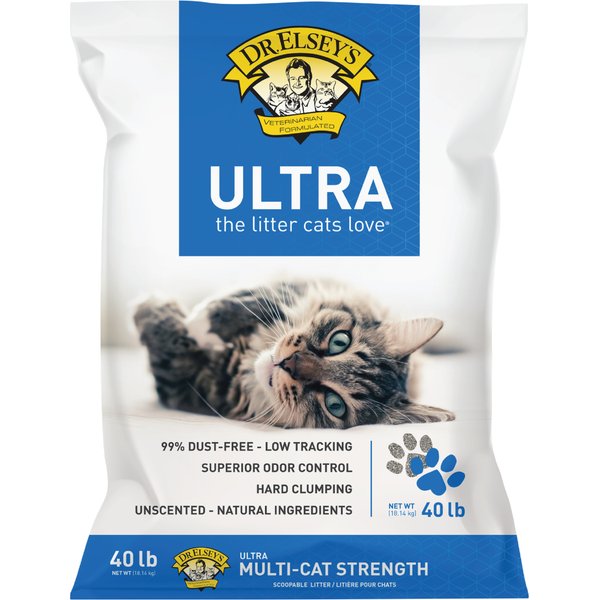
Dr. Elsey's Ultra
Officially named by Whisker, and the community's second favourite. Strong, fast clumps and the best value in the premium tier. Several owners report "zero issues" over years, one with five cats since 2017. It's the anti-sticking pick in the head-to-head below. Cat Attract, the same brand's acceptance formula, is "the only litter that gets one of my cats to actually use the Litter-Robot," which makes it the one for transitions.
Watch for: it's heavy, so fill below the line. Dust reports are split down the middle, and a few owners suspect batch variation in recent bags. People keep asking "which specific type?" The answer: the regular white and blue label Ultra.
This litter features paw-some odor control, so it’s ideal for multi-cat families and for sifting or mechanical litter boxes. Heavier non-tracking granules are combined with a medium grain clay for a paw-some clumping litter that keeps moisture from reaching the bottom of the litter box. It also creates strong clumps that won’t break apart for easy cleaning.
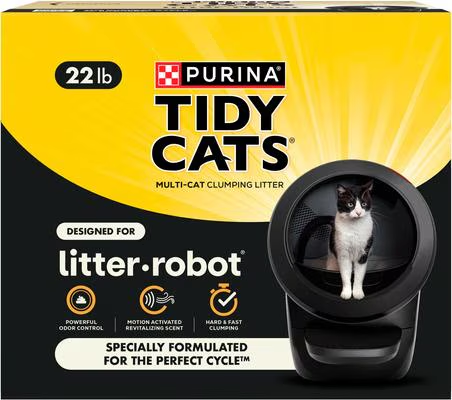
Tidy Cats Designed for Litter-Robot
The official co-branded formula, and the reaction is unusually warm. "Game changer, didn't even know they made one directly for the machine. No more sticking or mess." Another owner "hardly ever needs to deep clean." A 20 lb box lasts a two-cat hopper household six to eight weeks. It landed third in every research pass.
Watch for: no unscented version, one "gets like cement at the bottom" report, and a few objections on the grounds that Purina is owned by Nestlé. You can collect Purina app points on it.
Purina Tidy Cats Cat Litter for Litter-Robot Clumping Cat Litter Odor Control Formula is specially formulated for The Perfect Cycle setting in the Whisker Litter-Robot app. This litter helps provide powerful odor control for Litter-Robot 4 and previous generations (all sold separately), with odor-absorb technology that minimizes odors in the waste drawer. This hard and fast clumping litter maintains strong clumps throughout The Perfect Cycle for peak Litter-Robot cycling performance.
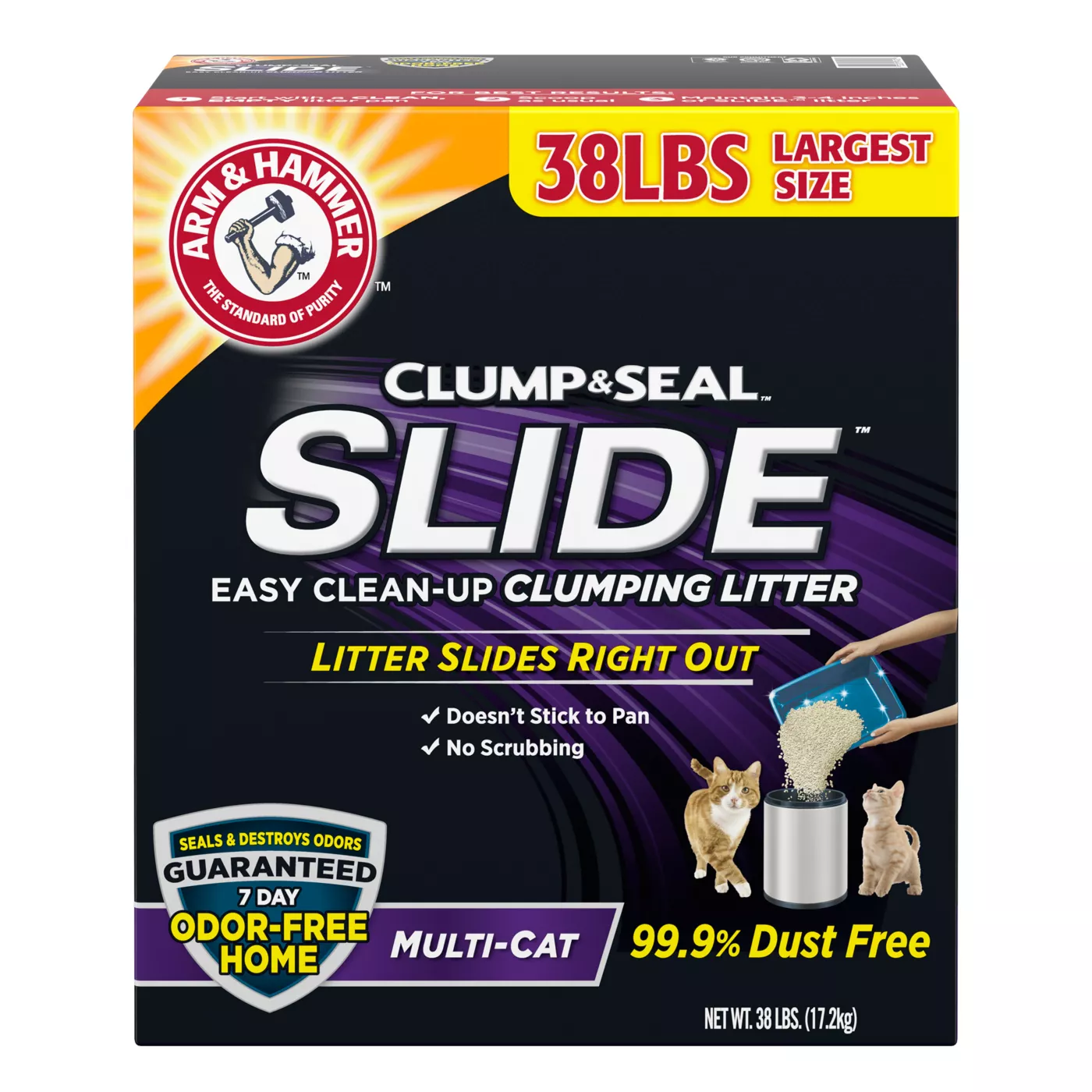
Arm & Hammer Clump & Seal / Slide
The value-plus-reliability pick, and the one Milo uses. Widely available, clumps hard, and a four-cat, two-robot household runs plain Clump & Seal Slide with no additives and reports "zero smells. (And our cats are righteously foul beasts)." Another owner went six weeks with no sticking after trying several premium brands first.
Watch for: the purple multi-cat box draws more smell complaints than the greenish odour-control box. One owner found the grains "almost sharp." Naturals barely dispenses through a LitterHopper. And Hardball is the single worst-rated product in the whole corpus: "it cemented itself to the liner." Same brand, very different bags.
It's time to end scraping and scrubbing with Arm & Hammer SLIDE Easy Clean-Up Clumping Litter. This revolutionary formula means the litter slides right out of the litter box, making cleanup easy. Plus, Clump & Seal technology seals and destroys odor for a 7-Day Odor-Free Home, Guaranteed.
GreatLitter, Told Straight
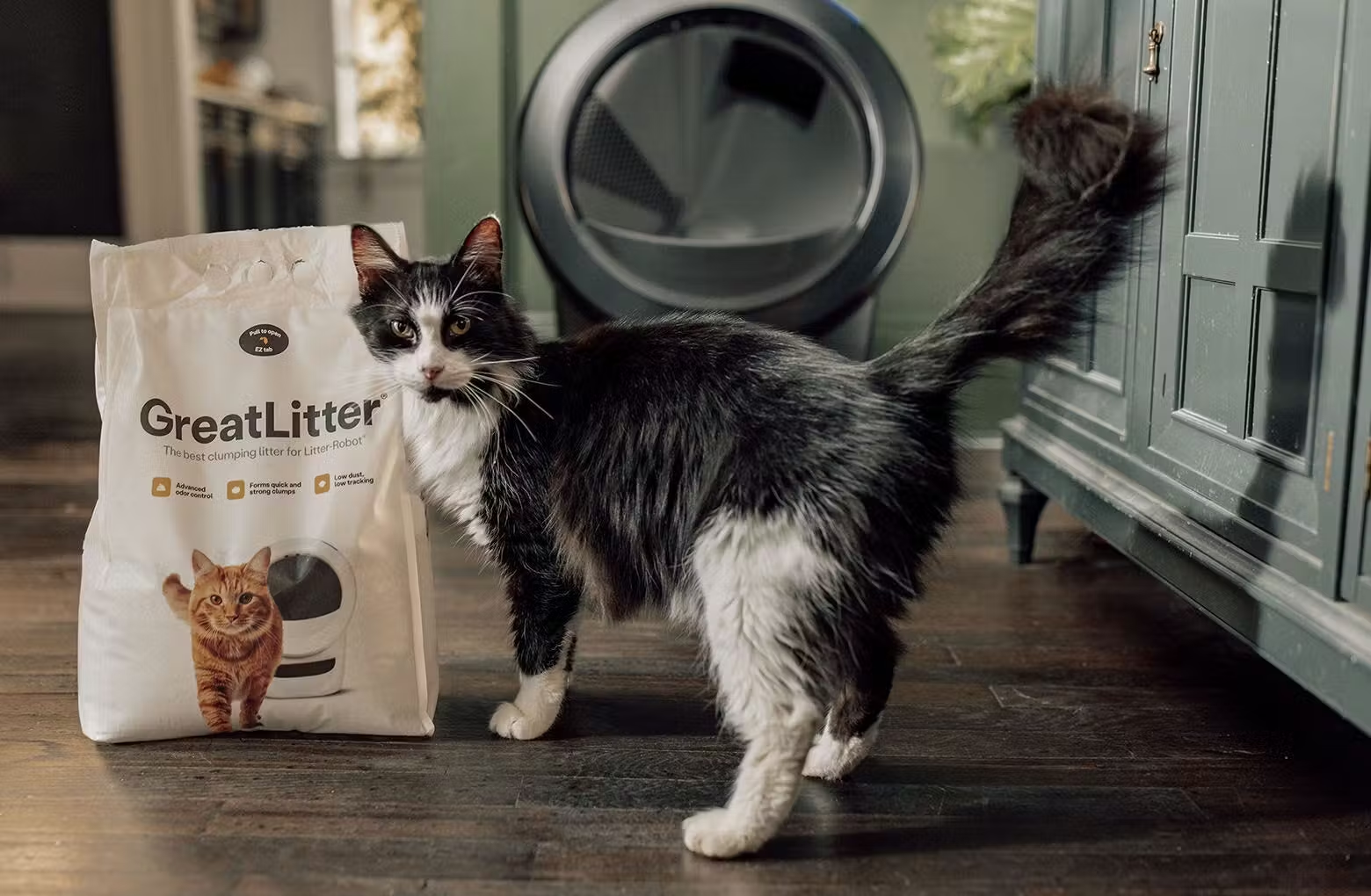
This is Whisker's own litter, and I won't pretend the reviews are straightforward. Complaints cluster around dust ("my black LR4 is now grey," and one owner's camera shows a cloud on every cycle), gummy or sludgy clumps, sticking even at a 25-minute delay, and cost.
And yet. The top comment in one of those same threads, with 20 upvotes, calls it "the best of all the clay litters and comparable to Boxie Pro Probiotic." Others: "least tracking and least dust of any brand," "almost a year, three cats, works great." Several owners have started saying the quiet part: "I have to believe it's an inconsistent product because I hear wildly different experiences."
My honest read: it's single-ingredient sodium bentonite, exactly what the machine wants, and plenty of owners are happy on it. It also appears to vary bag to bag more than it should. If you want the zero-effort autoship, that discount takes the sting out of the price. But buy one bag before you commit to a bundle. That applies to every brand on this page, and to this one most.
Whisker's all-natural, low tracking cat litter contains no additives and features only one ingredient: sun-dried clay. GreatLitter® is the best litter for Litter-Robot—its quick-clumping formula is ideal for litter-sifting technology and results in the best odor-control cat litter.
The Head-to-Head Owners Actually Ran
One two-cat household ran Boxie Pro, Dr. Elsey's and GreatLitter back to back and wrote the clearest comparison I found anywhere. I've built the table around it.
| Feature | Boxie Pro | Dr. Elsey's Ultra | GreatLitter |
|---|---|---|---|
| Odour control | Best. About a week before the drawer smells. | Three to four days max. | Mixed. Owners get better results with a longer cycle delay. |
| Anti-sticking | Good, not the best. | Best of the three. | Varies by bag. Some report it sticks least of any clay. |
| Dust | Low, widely reported. | Disputed. Split reports. | The most-noted concern, though some owners see very little. |
| How long a bag lasts | Longest. 28 lb lasts like 40 lb of others. | A bag every five weeks for one cat. | One 20 lb bag a week for four cats, per one owner. |
| Price per pound | Highest. | Mid. A 40 lb bag costs less than two 20 lb GreatLitter bags. | Around $1.50/lb before autoship. |
| Watch for | Buy Deep Clean or Pro, never Air. Recent batch reports. | Heavy, fill below the line. Some batch reports. | Batch variation. Buy one bag first. |
That same owner was planning to mix Boxie and Dr. Elsey's in the hopper to get the best of both, which brings me to blending.
Blending, Budget Bags and the Non-Clay Question
Blending is an owner-invented trick that works. If your base litter isn't keeping up with a high-volume cat, mixing in a harder-clumping clay (Dr. Elsey's Ultra is the sensible choice) often solves it without a full switch. Sustainably Yours gets mentioned as a blend-in too because it clumps harder than almost anything, but it's drawn several reports of cats reacting badly to it, one badly enough to need antibiotics, so watch for scratching or sores and stop at the first sign. When you do switch anything, mix new into old gradually (75/25, then less), and remember that a litter change can undo a hard-won transition. One owner who'd just got a nervous second cat using the robot decided not to touch a thing. Not a bad instinct.
Cheap can work. "I've used every possible litter from very expensive to cheap and I have settled on the cheapest grocery store litter and have no problems," says one owner. Target's Up&Up unscented, at about $14 for 30 lb, is "easily the best I've found for clumping up hard for the dump cycle. Dusty as hell, though." Walmart's house brand gets a similar review. Premium is an option, not a requirement.
Plant-based litter is where official advice and owner experience diverge. Whisker's team says it forms looser clumps and can corrode nearby components, and owners in humid climates report mold and flies within days. But grain shape is the real variable: one owner runs Lady N granular tofu litter without trouble, because the granular cut clumps and sifts, while long pellets get sifted straight into the drawer unclumped. World's Best is polarizing, with one owner tracing a fly infestation directly to it. Pretty Litter and crystals get their own answer in the FAQ, because it's more nuanced than "don't."
The Variant Trap
If I could put one table on the wall of every pet store, it's this one. A remarkable number of "this litter doesn't work in a Litter-Robot" stories turn out to be the wrong bag from the right brand.
| Brand | The one owners mean | The one that gets it blamed |
|---|---|---|
| BoxieCat | Deep Clean, Pro, Probiotic (all clay) | Air (barley-based). "A wet, sticky pile of nasty barley." Bot costs more for no noticeable gain. |
| Arm & Hammer | Clump & Seal Slide, greenish odour-control box | Purple multi-cat box (more odour complaints). Naturals (won't dispense through a hopper). Hardball (cements to the liner). |
| Dr. Elsey's | Ultra, the regular white and blue label. Cat Attract for transitions. | Ultra+, Super+, Clean Tracks: fine, but people ask "which one?" for a reason. Anything lightweight. |
| World's Best | Unscented red bag, for the owners it works for | Orange variety ("a fail in my LR3"). Any of it in a humid room. |
| Any brand | Standard weight, unscented | "Lightweight." Owners consistently say lightweight formulas stick and blow around. |
When It Smells: The Odor Toolkit
Odour threads are nominally about litter. Read them properly and the answer is usually the filter, the drawer, the room or the cat's dinner. Here's the whole kit, roughly in the order owners reach for it.
The simplest rule I found in 530 comments: when you start smelling it, the carbon filter is due. Not the litter. That one habit turns a maintenance schedule you'll forget into a signal you can't miss, and it resolves a large share of odour complaints on its own.
- Empty the drawer at half full, not at the alert. Repeated in every odour thread. Less smearing at the waste port, fewer flies, less smell.
- Put something ammonia-specific in the drawer. Ranked by how often it works: Arm & Hammer deodorizer pods under the bag (top comment, 26 upvotes), a quarter cup of activated charcoal powder per bag, a scoop of pool-grade baking soda, or a Fresh Wave pack stuck to the drawer.
- Ammosorb, if it's serious. The best odour finding in this whole project, and I couldn't find it published anywhere. It's an ammonia-specific mineral adsorbent, borrowed from labs and poultry facilities, and the 37-litter tester adds it to her litter in a humid climate: "It is my lifesaver for odor." A second owner with two LR4s in a humid bathroom seconds the Boxie-plus-Ammosorb combo. It targets urine smell specifically, which is why some households need a different fix for the poop half.
- Look at the food. "The food I feed my cat makes a big difference on poo odor, more than any litter changes." Multiple owners, independently. And if you've just added a kitten: kitten poop is stinkier because their digestion runs faster, it's normal, and it improves with age. Four owners discovered this after blaming their litter. An extreme, sudden smell in an adult cat is a vet conversation, not a litter one.
- Manage the room. Don't park the unit next to a heat register or an HVAC return, which will circulate the smell through the house. A dehumidifier helps in humid rooms. An air purifier beside the unit helps with the pre-cycle window, but HEPA catches dust; odour needs real activated carbon.
- Cycle manually when you need to. If your cat just finished a number two and the delay hasn't run, open the app and cycle it. The simplest fix nobody mentions.
For the tinkerers: one owner built a $50 carbon air scrubber on a smart plug that runs from the cat's visit until seven minutes after the cycle, and posted the code. The no-build version is a bathroom exhaust fan on a smart switch.
When It's Everywhere: The Tracking Toolkit
Tracking is a separate problem from dust, and owners find that confusing. "Elsey's has less dust but Tidy Cats has less tracking. How that makes sense, no idea." Like this: dust is fine particles that go airborne when your cat digs. Tracking is whole granules carried on paws and flung on exit. Grain size and weight drive tracking, fines drive dust, and a litter can be low in one and high in the other.
- Get a bigger mat. The stock mat is too small, full stop. One owner bought a 36 by 48 inch honeycomb mat and wrote, in capitals, "LITTER TRACKING PROBLEMS SOLVED." That size comes up again and again. Two mats, one in front and one beside the exit, is the multi-cat version.
- Turn the machine. Figure out which direction your cat likes to jump out, then rotate the robot so that direction faces the wall or away from your main walking path. Free, and owners say it does more than switching litter.
- Add the Shield if your cat leaps. "Stupidly expensive but it forces her to step out instead of leaping," and leaping is what flings litter. Another owner called it "a 90 percent improvement in our lives."
- Do not box in the exit. This is the counterintuitive one. An owner had built a barrier around the exit to contain the mess, and it was making it worse, because a blocked path makes cats jump in and out instead of stepping. The fix is the opposite of the instinct.
- Keep a hand vacuum beside it. Two minutes each morning. A robot vacuum helps with the rest but won't get the crevices.
One piece of free pre-purchase advice that isn't in any buying guide: if dust bothers you, buy the white unit. Every bentonite litter sheds some dust and a black Litter-Robot shows all of it. "My black LR4 is now grey" is a real quote from a real, slightly grieving owner.
What Litter Actually Costs You
The cheap-versus-premium argument changes once you understand what's in the bag. Good clumping litters use a high percentage of sodium bentonite. Bargain litters pad it out with filler. That's why a weak clump breaks apart and mixes back into the clean litter, and why you end up changing the whole box more often. As one six-year owner put it, "the math of cost per scoop is not mathing the way we think it is."
Owners back that up with numbers. A 28 lb bag of Boxie lasts as long as a 40 lb bag of a cheaper clay. A 20 lb box of the Tidy Cats formula runs a two-cat hopper household six to eight weeks. And with any of them, you never dump the globe. You top up. That ongoing saving is one most buyers don't factor in.
A few buying tactics from people who've been at this for years: buy one bag of anything new before you buy six. Take the first-order subscribe-and-save discount, then cancel and do it again next time. Watch for 20 percent off sales at the big chains and stack cashback on top. And if you can't comfortably lift a 40 lb bag, that's a real reason to pick a litter sold in 20 lb boxes. One owner said exactly that, and she isn't alone.
A Few Situations That Change the Cost Answer
Two or more cats
A mechanism nobody has written down: the bed in an automatic box is shallow compared to a traditional one, so when cat two jumps in right after cat one, they dig up a clump that hasn't set. That one behaviour explains white residue, tracking, wet paws and sticking all at once. The fix isn't shallower litter. It's the upper end of the fill range plus a longer delay, which is why one three-cat household runs 30 minutes.
A dog in the house
Two owners hit the same wall and nobody had an answer: a fast cycle protects the waste from a curious dog, a slow cycle makes better clumps, and you can't have both. My take is that the settings menu isn't where this gets solved. A cat door, an enclosure with a latch or elevated placement lets you run the delay you need. Check out our TechnoBark dog-proof litter box guide.
Outside the US
"It's really not easy to find litter recommendations for Australia, as a lot of what gets recommended isn't available here." True, and the same goes for the UK, Canada and Germany. Australian owners order Dr. Elsey's through Amazon (about two weeks), and PREMIERE Multicat XL is the standout local pick: "big granules, low dust, low tracking, and the clumps don't stick to the liner." Wherever you are, the rules don't change: standard-weight clumping clay, just below the line.
If you're the smell-sensitive one
Several owners describe themselves as unusually sensitive to smell, a couple mention fibromyalgia in the same breath, and for them odour control isn't a preference, it's the reason they bought the machine. If that's you, the odour toolkit above is your section, and Ammosorb plus a real carbon purifier is the combination those owners landed on.
A kitten
The weight sensor needs to recognize your kitten before automatic mode is safe. That's 3 lb on the Litter-Robot 4, 5, 5 Pro and EVO, and 5 lb on the older Litter-Robot 3. Under that, run it in semi-automatic mode (powered off, cycle manually after each visit) and follow Whisker's acclimation guide. The tool handles this automatically if you select the kitten option.
Milo's Verdict
Milo runs on Arm & Hammer Clump & Seal in his Litter-Robot 5 Pro, and before I did this research I had no idea whether that made me sensible or lucky. It turns out a lot of owners are on the same bag, including a four-cat household running two robots on it with no additives and no smell. That was reassuring.
What I'd change, having read all of this: I'm filling slightly lower than I used to, I'm treating the first whiff of anything as a filter reminder, and I'm buying one bag at a time. Milo, for his part, has never staged a protest over the litter, which for a cat with thoughts about everything is about as good as a five-star review gets.
FAQ
What is the best litter for a Litter-Robot 4?
An unscented, standard-weight clumping clay, filled just below the line. Avoid white or translucent litter on the Litter-Robot 4 specifically: Whisker says it interferes with the litter-level and drawer-full sensors, which are optical. Owners most often name Boxie Pro, Dr. Elsey's Ultra and Tidy Cats Designed for Litter-Robot.
- The LR4's litter bed is shallower than the LR3's, so cycle delay matters more
- Dusty litter can foul the LR4's sensors and has caused repeated disconnects for at least one owner
- If the app says "low litter" while the globe looks full, check litter colour before adding more
Can you use Pretty Litter or crystal litter in a Litter-Robot?
Mechanically, yes, and some owners love it. Whisker's rule is that crystals must be small enough to pass through the screen, and translucent litter is not recommended on the Litter-Robot 4 because it makes the litter-level and drawer-full readings unreliable. Urine evaporates instead of clumping, so only solids get sifted, which is why one asthma household swears by it and hardly ever empties the drawer. If you rely on the app's tracking, that's a real trade-off. If you don't, it may suit you.
- Set a longer delay (one owner uses 15 minutes) so urine can evaporate
- Crystals saturate silently with no visual cue, so change on a schedule
- Not for young kittens, who may ingest silica
Can you use tofu or plant-based litter in a Litter-Robot?
Sometimes. Whisker's team says plant-based litter tends to form looser clumps and can corrode nearby components, and owners in humid climates report mold and flies within days. But grain shape is the variable: granular-cut tofu litter (Lady N is the brand named) works for some owners, while long pellets get sifted into the drawer without clumping.
- Skip it entirely if your room runs humid
- Wood pellets, paper litter, and non-clumping litters are officially incompatible
- Corn-based blends have drawn allergy reports in some cats
How full should I fill my Litter-Robot?
Just below the fill line, not up to it. Whisker's team puts it at a quarter to half an inch below. The globe sifts a fixed volume, so anything above the line gets dumped into the waste drawer as clean litter on the very next cycle. If you're using a heavy clay like Dr. Elsey's, sit noticeably lower still.
- Never dump and refill the whole globe; just top up as it drops
- Senior or low-mobility cats need it shallower for clearance
- A LitterHopper keeps the level right automatically
Why does my Litter-Robot say the drawer is full when it isn't?
Often it's the weight of the litter, not waste. Whisker Support told one owner that a heavier clumping litter adds enough weight to trigger the alert daily with a nearly empty drawer. Lower the fill level first. On a Litter-Robot 4, also check whether you're using a light-coloured litter, which confuses the drawer-full sensor.
- Reduce fill before you change anything else
- Don't add litter to fix a "low litter" reading until you've checked colour and weight
- Recalibration is the rare second cause
Why is litter sticking to my Litter-Robot liner?
Usually not the litter. Check the liner's age first: if it's two years or older and sticking crept in gradually, replace the liner, which is free under warranty. Then confirm the liner actually inverts during the dump, lengthen the cycle delay to 15 to 30 minutes, check whether the room runs warm or humid, and do a proper deep clean with an enzyme spray and a fresh filter.
- Give a stuck clump a cycle or two, some drop on their own
- Lightweight and plant-based litters are the two litter-side causes
- A cooking-spray wipe after cleaning keeps clumps sliding for a couple of weeks
How long should the Litter-Robot cycle delay be?
Fifteen minutes is the community consensus, and 25 to 30 for cats who pee a lot. Owners say it matters as much as the litter itself, because clumps need time to set before the globe turns. If the maximum delay still doesn't stop sticking, the problem is the litter, the liner or the machine, not the timing.
- Multi-cat homes with back-to-back visits benefit most from a longer delay
- A curious dog is the one reason to run it short, and that's better solved with a latch or a cat door
- The default is 7 minutes on most models
Can a kitten use a Litter-Robot?
Not in automatic mode until they're heavy enough for the scale to see them. That's 3 lb on the Litter-Robot 4, 5, 5 Pro, and EVO, and 5 lb on the Litter-Robot 3. Below that weight, keep it powered off, wait about seven minutes after a visit for the waste to clump, cycle it manually once, and power it off again.
- Kitten poop is stinkier than adult poop, and it's temporary, so don't blame the litter
- Keep the kitten out of the room while the unit is set up and cycling for the first time
- Whisker's acclimation guide has the full sequence
Final Thoughts on the Best Litter for YOUR Litter-Robot
If you take one thing from this: the fight over which litter is best is mostly a fight about whose house it's in. Get the fill level, the cycle delay, and the liner right, and most litters on this page will behave. Get them wrong and the best litter in the world will stick, smell, and end up in your bed.
- Start with the free fixes. Fill just below the line, set the delay to 15 minutes or more, check the liner, change the filter when you smell it.
- Then pick from the short list. Boxie Pro for odour, Dr. Elsey's Ultra for sticking, Tidy Cats Designed for Litter-Robot for a purpose-built option, Arm & Hammer Clump & Seal for value, or GreatLitter for the litter that was made specifically for the Litter-Robot.
- Buy one bag first. Whatever you choose.
And if you want the answer for your exact machine, your exact cat and your exact room, that's what the Litter Compatibility & Depth Finder above is for. It takes about a minute. It's faster than a fourth bag of litter, and it's a lot cheaper.
|
Most Advanced
|
Mid-Range Option
|
Most Affordable
|
|
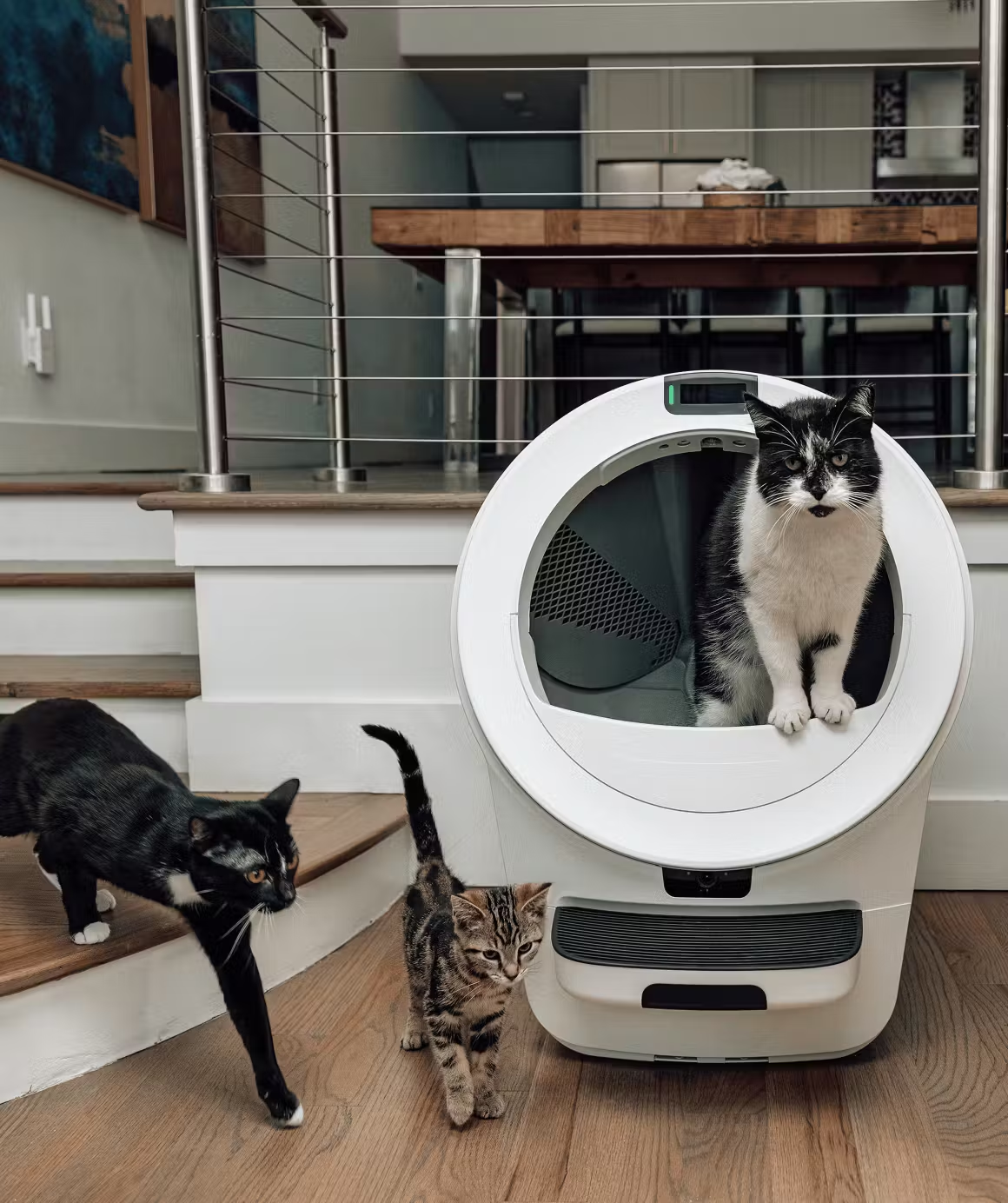
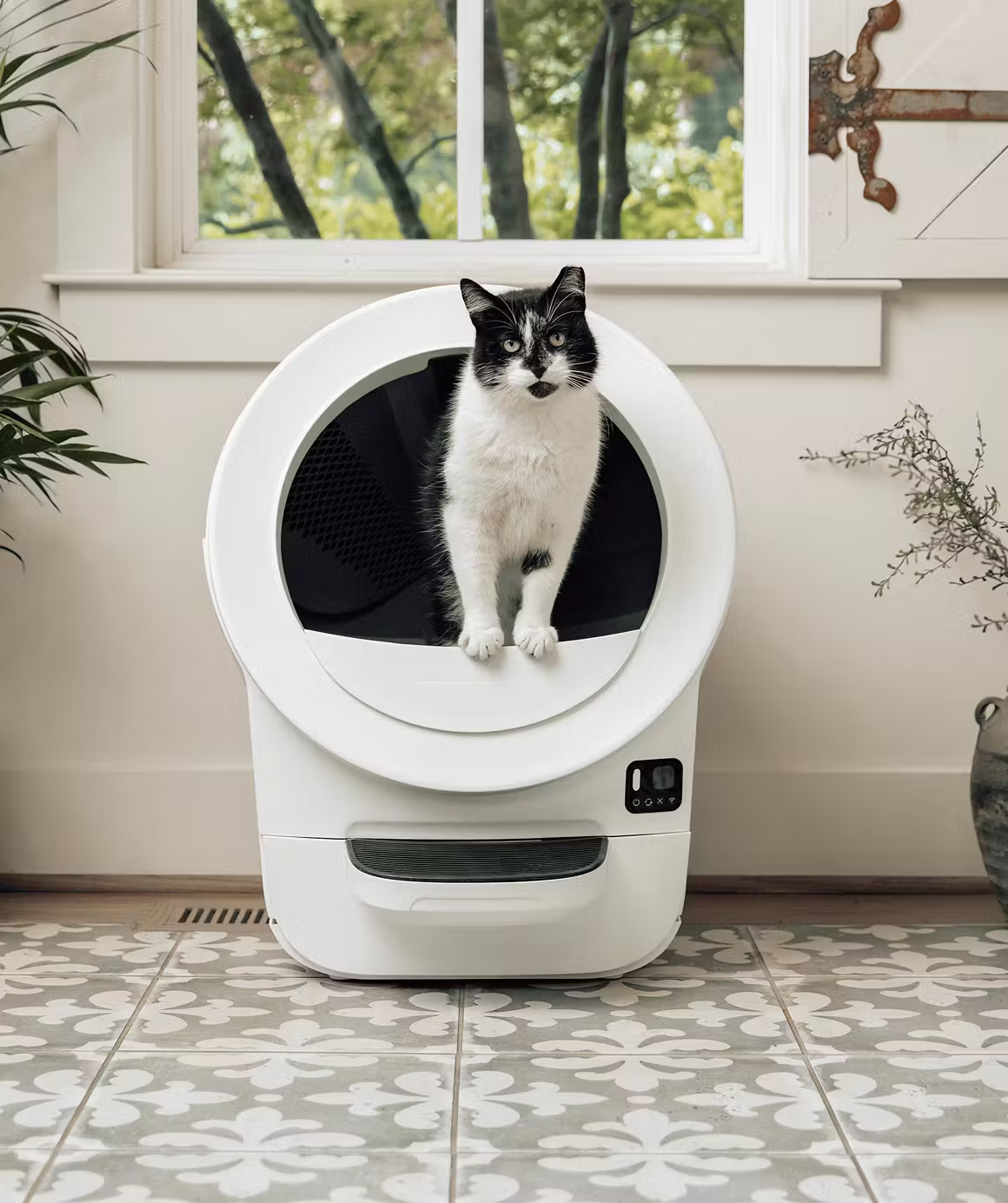
Whisker’s most advanced litter box yet. The Litter-Robot 5 Pro adds dual 1080p cameras, AI-powered cat recognition, and deeper Whisker+ insights to track bathroom habits and health trends. It’s a self-cleaning litter box that actually learns from your cat—delivering next-level convenience and peace of mind for tech-savvy pet parents. ⭐ BEST PRICE ON THE WEB⭐ SAVE UP TO $150! |
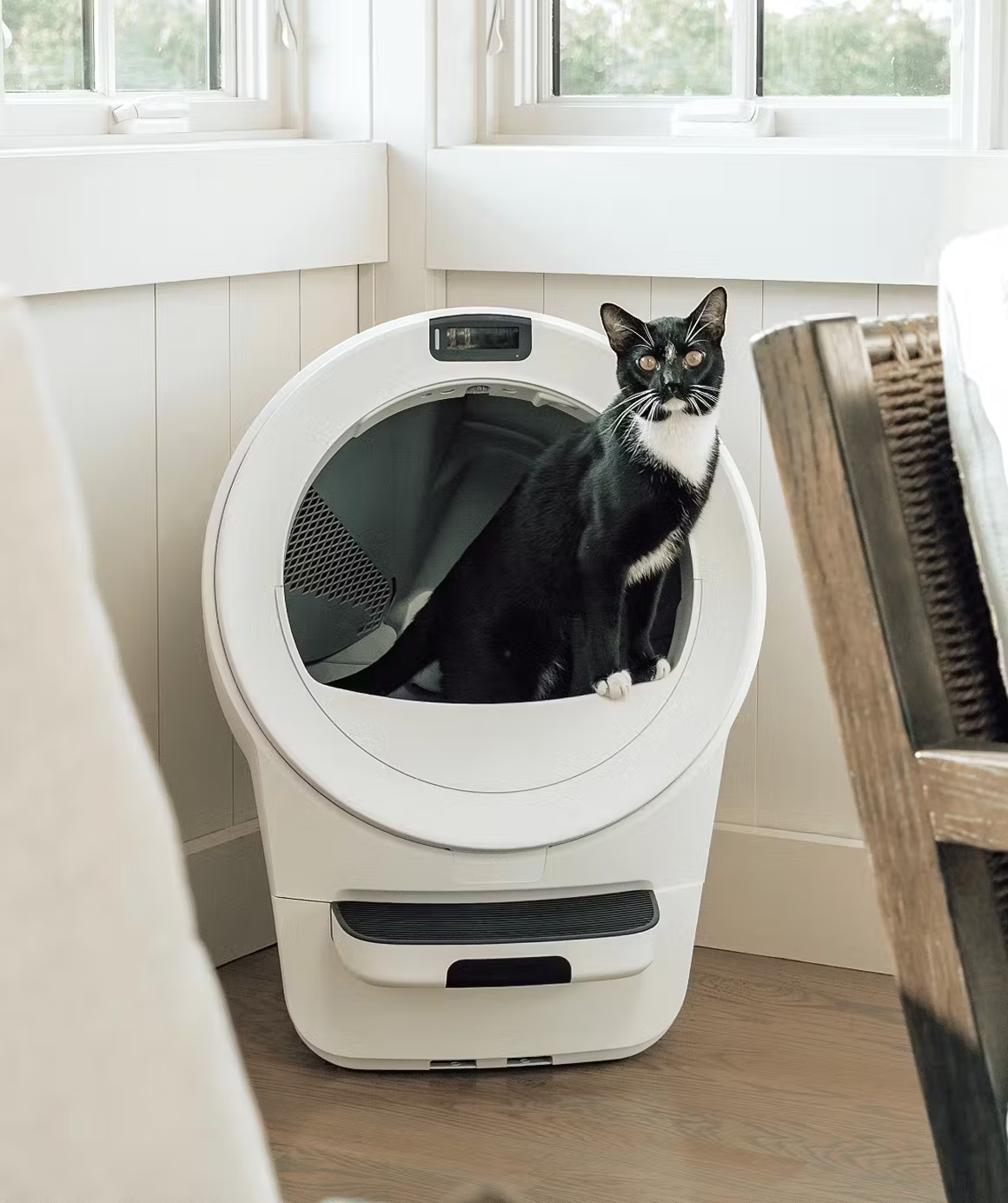
Meet the next generation of smart litter boxes. The Litter-Robot 5 features a sleek LCD display, redesigned waste drawer for fewer empties, customizable lights, and better odor control than ever. Multi-cat ready and app-connected, it’s the perfect balance of convenience, performance, and modern design for any cat household. ⭐ BEST PRICE ON THE WEB⭐ SAVE UP TO $150! |
The most compact self-cleaning litter box from Whisker, perfect for smaller homes or 1–2 cats. The EVO keeps the same reliable automatic scooping, odor control, and Whisker app connectivity you know and love—just in a streamlined design that fits anywhere. Enjoy a cleaner home, fresher air, and less daily maintenance. BEST PRICE ON THE WEB SAVE UP TO $150! |
Whisker’s most advanced litter box yet. The Litter-Robot 5 Pro adds dual 1080p cameras, AI-powered cat recognition, and deeper Whisker+ insights to track bathroom habits and health trends. It’s a self-cleaning litter box that actually learns from your cat—delivering next-level convenience and peace of mind for tech-savvy pet parents.
⭐ BEST PRICE ON THE WEB⭐
SAVE UP TO $150!
Meet the next generation of smart litter boxes. The Litter-Robot 5 features a sleek LCD display, redesigned waste drawer for fewer empties, customizable lights, and better odor control than ever. Multi-cat ready and app-connected, it’s the perfect balance of convenience, performance, and modern design for any cat household.
⭐ BEST PRICE ON THE WEB⭐
SAVE UP TO $150!
The most compact self-cleaning litter box from Whisker, perfect for smaller homes or 1–2 cats. The EVO keeps the same reliable automatic scooping, odor control, and Whisker app connectivity you know and love—just in a streamlined design that fits anywhere. Enjoy a cleaner home, fresher air, and less daily maintenance.
BEST PRICE ON THE WEB
SAVE UP TO $150!



Leave a Comment